


The Walliams and Brand scandals are catastrophic for the BBC
The Walliams and Brand scandals are catastrophic for the BBC

Michael DeaconWed, November 11, 2026 at 2:00 PM UTC
0
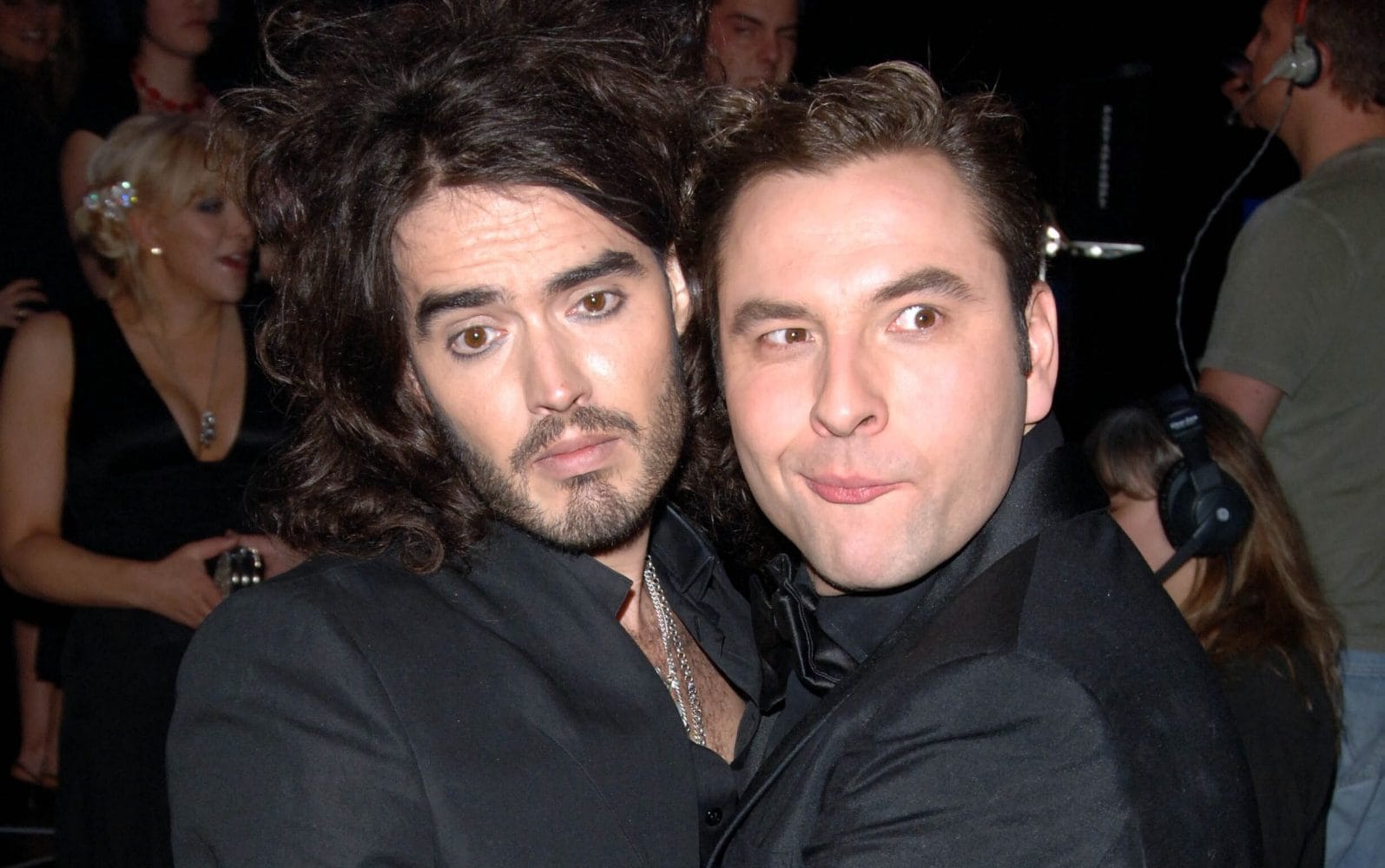
Russell Brand, convicted of rape, and David Walliams, who denies serious allegations against him, were both major stars at the BBC - PA Archive/PA Images/Ian West
Ever since Jimmy Savile was posthumously exposed as a prolific sexual predator almost exactly 15 years ago, the BBC has been hit by an extraordinary number of scandals involving major male stars. Huw Edwards. Rolf Harris. Stuart Hall. Then there was the sacking from MasterChef of Gregg Wallace, and the mysterious disappearance from Radio 2 of Scott Mills. Not to mention the forthcoming trial of former Radio 1 DJ Tim Westwood.
And now, in the space of a week, we’ve had the conviction for rape of Russell Brand, and some extremely serious allegations about David Walliams – which he denies. Both these men were once big BBC stars, too. For the reputation of our increasingly beleaguered national broadcaster, this is obviously catastrophic. Why, though, is the BBC so remarkably unlucky? What on earth makes it such a magnet for scandal?
Licence fee-payers may well be pondering this conundrum. I fear, however, that the BBC itself is not. Or at least, so I can only infer from an article it has published on its news website, headlined “How 2000s Lad Culture Helped Russell Brand to Hide in Plain Sight”.
What an absolutely brazen piece of buck-passing. And I feel qualified to say this, because I myself was a small part of “2000s lad culture”. In my early 20s, from 2004 to 2006, I worked at a lads’ mag called Zoo – a copy of which is helpfully pictured in the BBC’s article, alongside several contemporaneous periodicals that were also marketed at young men who liked rude jokes and pictures of women with not many clothes on.
Naturally I won’t insult your intelligence by pretending that these magazines were paragons of liberal virtue. But there’s one thing they can’t be blamed for, and that’s the rise of Russell Brand.
For one thing, Brand was never part of “lad culture”. On the contrary: he was hailed as its metrosexual antithesis. “Lads” were seen as beery, boorish and frightfully heteronormative – Brand took great care to present himself as the exact opposite. He was prancingly effeminate, wore eyeliner, and made a tremendous song and dance about how bookishly intellectual he was. Which was probably why the Guardian and Channel 4 were so keen on him. They certainly weren’t keen on us.
I can’t deny that the lads’ mags heavily promoted the edgy male comedians our readers loved. In 2004, for example, we at Zoo hired Jimmy Carr to write a weekly column for us.
Advertisement
One comedian we never hired, however, was Russell Brand. And nor, to the best of my recollection, did Nuts, FHM, Loaded, Front, Maxim, or any of our other competitors. I’ll tell you who did hire Russell Brand at that time, though: the BBC. In 2006, it gave him a show on 6 Music, before rapidly promoting him to a plum slot on Radio 2.
If anyone was giving cover to Brand in the 2000s, therefore, I really don’t think it was us “lads”.
An even bigger comedy star of that time, of course, was David Walliams. Just in case anyone at the BBC is hoping to blame “lad culture” for him too, allow me to remind them that Walliams always made an even greater show of being camp than Brand did. In fact, next to him, Brand looked like Rambo.
Anyway, as soon as this week’s allegations against Walliams were published, the BBC hastily scrubbed all of his programmes, such as Little Britain, from iPlayer. This, however, is unlikely to prevent people from asking: just why is it that the poor old BBC is afflicted by so many scandals of this kind?
Well, here’s one theory. It’s to do with the licence fee.
Practically any man in showbusiness can rely on his fame to afford him a certain amount of protection. But I suspect that being a big star on the BBC has an additional attraction. Which is that the BBC’s self-trumpeted status as a beloved national institution and Reithian public service broadcaster grants it something special: a shining, saintly halo of progressive respectability. So, perhaps inevitably, dubious celebrity men are eager for the light of that halo to reflect on them, too. And for as long as the licence fee exists, this same light will surely continue to draw them.
If that is indeed the source of the problem, how might the BBC resolve it? Well, maybe that’s more a question for the Government. But then, since I doubt that a Labour government would even dream of asking it, perhaps it’s a question for the public, instead.
After all, more than a few viewers and listeners may be wondering why they should keep paying their licence fee at all.
Source: “AOL Entertainment”
