


The War and Treaty’s Michael Trotter Jr. Writes Moving Veteran’s Day Essay About Life After Military Service (Exclusive)
The War and Treaty’s Michael Trotter Jr. Writes Moving Veteran’s Day Essay About Life After Military Service (Exclusive)

Daniela Avila, Michael Trotter Jr.Wed, November 11, 2026 at 3:45 PM UTC
0
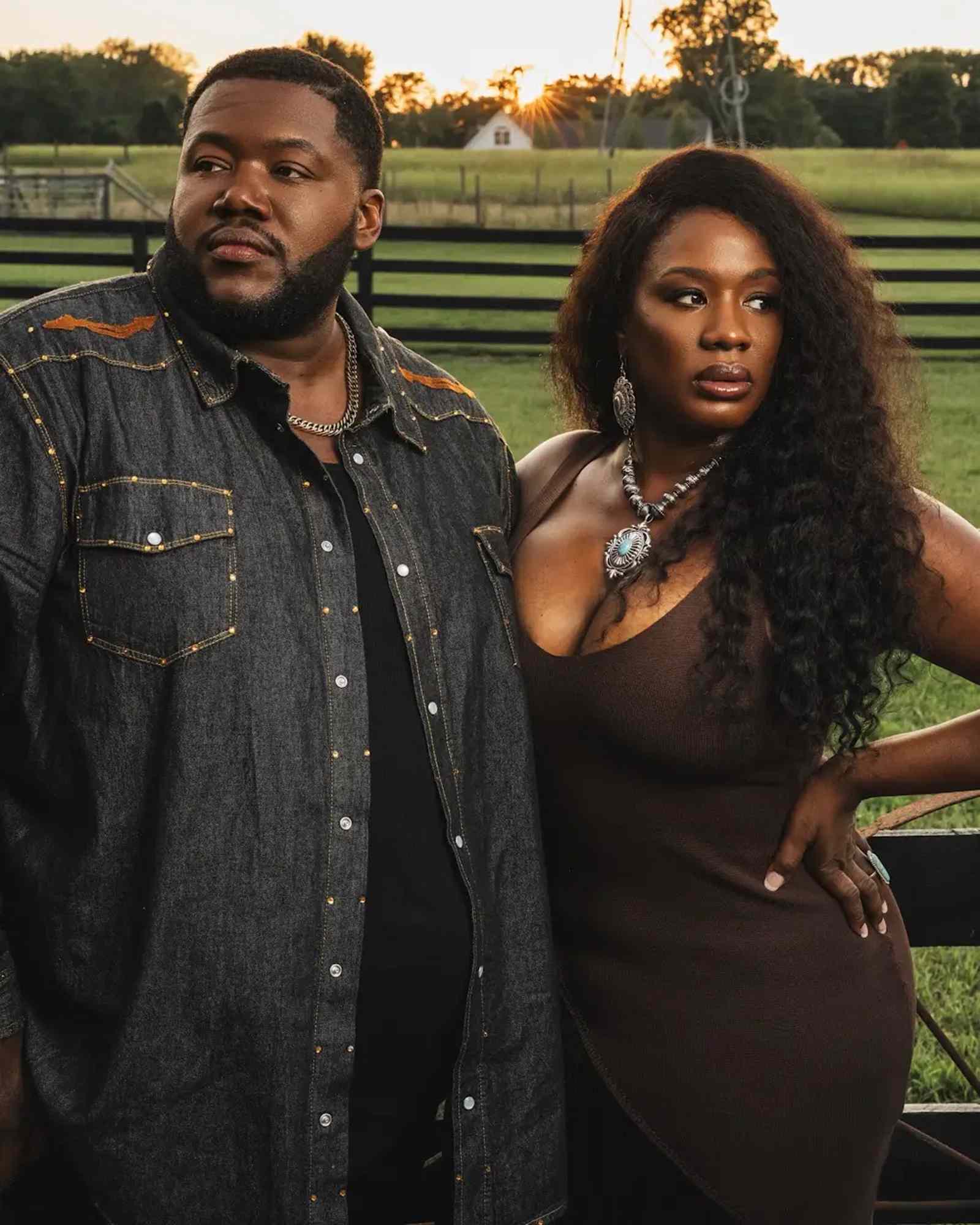
Michael Trotter Jr. and Tanya TrotterCredit: Valfred Mendoza -
The War and Treaty’s Michael Trotter Jr. reflects on the lasting impact of his Army service in a new essay written in collaboration with the Ad Council
His wife Tanya helped him through a devastating period after he struggled to transition to civilian life
The singer urges fellow veterans to seek support through the “Don’t Wait. Reach Out” message
The War and Treaty‘s Michael Trotter Jr. wants to share his story on the healing power of music with fellow veterans.
To mark Veterans Day on Wednesday, Nov. 11, the country singer — who served in the U.S. Army from 2003 to 2011 — wrote a personal essay in collaboration with Ad Council for the “Don’t Wait. Reach Out.” campaign, which PEOPLE can exclusively debut.
In the essay, Michael, 44, details the challenges he faced after years of service — and the role music and community played in his healing.
Last year, Michael opened up to PEOPLE about the PTSD that still lingered from his days overseas. In 2020, The War and Treaty — which also includes Michael’s wife Tanya Trotter — released a song called “Five More Minutes” and it’s a candid reflection on the time Tanya pulled him from the brink of suicide.
Similarly, in the essay, Michael details how Tanya, 49, reminded him that he was “loved” — and “connection” became his saving grace.
Read Michael’s moving essay, The Night I Needed More Than Music, below.
I’ve spent most of my life believing in the power of music. I’ve seen songs lift people out of dark places, bring strangers together and create moments of joy that feel almost sacred. Growing up, my family would visit members of our church who were sick or struggling, and we’d sing and pray with them. Even then, I saw how music could change the atmosphere of a room. Later, as a performer, I experienced that same power from the stage. Music helped me connect, heal, and make sense of the world around me. I believed it could carry me through anything.
But there was one night it couldn’t. After serving in the military, I had a tough time transitioning back. During one particularly difficult season, I had lost my job, my car had been repossessed and my family was facing eviction. We had a young child at home and I remember sitting in our house, asking myself: How did I get here? How did I let this happen? As I searched for answers, my mind kept returning to the same place: my service.
Advertisement
The thing about time spent in the service is that it leaves behind a soundtrack. Long after you leave the battlefield, your mind and spirit can keep playing the recordings. The sounds of explosions. Rockets flying overhead. The fear. The loss. The moments that changed you forever. It’s as if your soul records those experiences and stores them away for another day. Then, in a moment of silence, the needle drops and the record starts playing again. That night, those memories became louder than any song I’d ever sung. For the first time, I found myself facing something I couldn’t overcome on my own. The music that had always helped me process pain suddenly wasn’t enough.
As someone whose life revolves around music, that’s not easy to admit. Music has been part of my healing journey. It helped me find purpose after service. It helped me tell my story and connect with people who understood struggle and resilience. But what I’ve learned is that even the things that heal us aren’t always enough by themselves. Sometimes we need more. Sometimes we need another person to lean on and help carry the weight.
For me, that person was my wife, Tanya. She saw what I couldn’t see. She recognized that something was wrong when I couldn’t find the words to explain it. When the record was playing in my head, looping the same pain over and over, Tanya’s love lifted the needle. She interrupted the song I was listening to and helped me hear something different. She reminded me that I was loved. That I was a husband, a father, a survivor. She helped me see that my story was far from over.
I realize that what saved me wasn’t the absence of pain. It was connection. It was someone willing to reach out and remind me that I didn’t have to face the pain alone. That’s why I believe so strongly in the message behind “Don’t Wait. Reach Out.” Too often, we as Veterans, convince ourselves that we should be able to handle everything on our own. We tell ourselves to push through, stay strong and keep moving. But real strength is having the courage to tell someone when you’re struggling and allow them to help.
Music is one of the greatest gifts in my life. Every time I walk on stage, I’m reminded of its power to heal, inspire and bring people together. But I also know that sometimes the song that saves you isn’t the one coming through the speakers. Sometimes it’s a conversation. Sometimes it’s a friend answering the phone. Sometimes it’s a loved one reaching for your hand and saying, “I’m here.”
If you’re carrying something heavy right now, don’t wait until it becomes unbearable. Reach out to a friend, a family member, a fellow Veteran or someone else you trust. Let someone lift the needle and help you start a new song. Because no matter what you’re facing, you don’t have to face it alone.
If you or someone you know is struggling with mental health challenges, emotional distress, substance use problems, or just needs to talk, call or text 988, or chat at 988lifeline.org 24/7.
on People
Source: “AOL Entertainment”
